
England’s Blossom Schedule
When blackthorn blossom starts to appear as early as mid-March, something shifts. A quiet optimism begins to grow.
Notice carefully and you'll see that spring’s blossom doesn't all come at once. Nature has a blossom roll-call. From magnolia to gorse, wild apple to hawthorn blossom, each tree’s blossom arrives in its own time.
The exact timing is always at the mercy of the British weather, but here’s a rough guide to England's blossom schedule: what to look out for, and when.
March Blossom
By the time March rolls around, I’m longing for spring. As Dickens captured so perfectly in Great Expectations, the weather in March can appear sunny, but still feel bitter. But blossom gives us hope of warmer, longer days.
"It was one of those March days when the sun shines hot and the wind blows cold: when it is summer in the light, and winter in the shade." - Great Expectations.
On those bright but bitter days, look for the first magnolia blossom beginning to unfurl, and the blackthorn bursting into fluffy pillows of white along country lanes and field margins - carrying with it the promise of sloes come autumn.
Gorse is another to seek out in March. Vast swathes of yellow brightening chalky hillsides, bold and optimistic against the remaining winter landscape.

Blackthorn blossom on a frosty morning in March
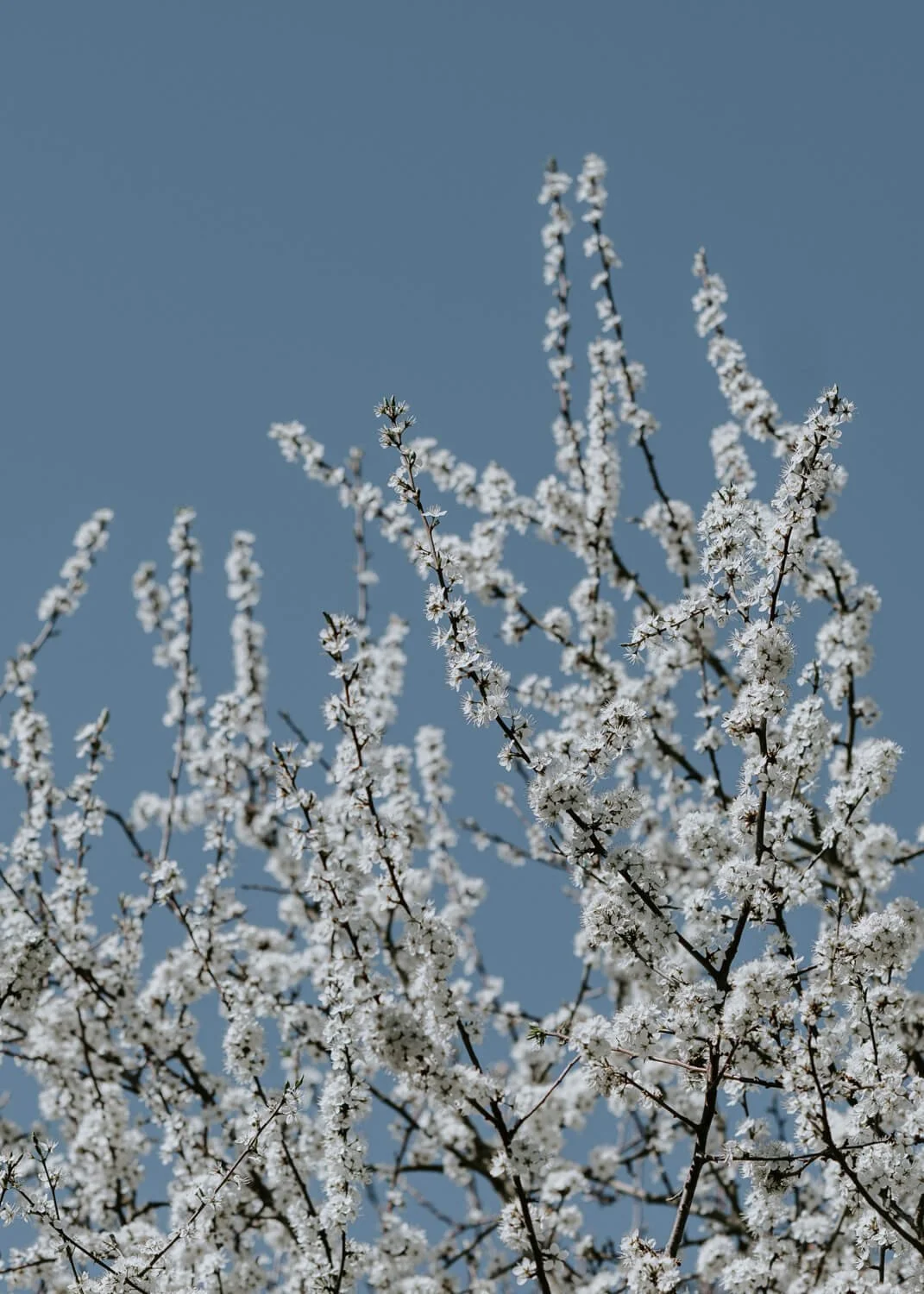
Blackthorn blossom against a blue sky in March
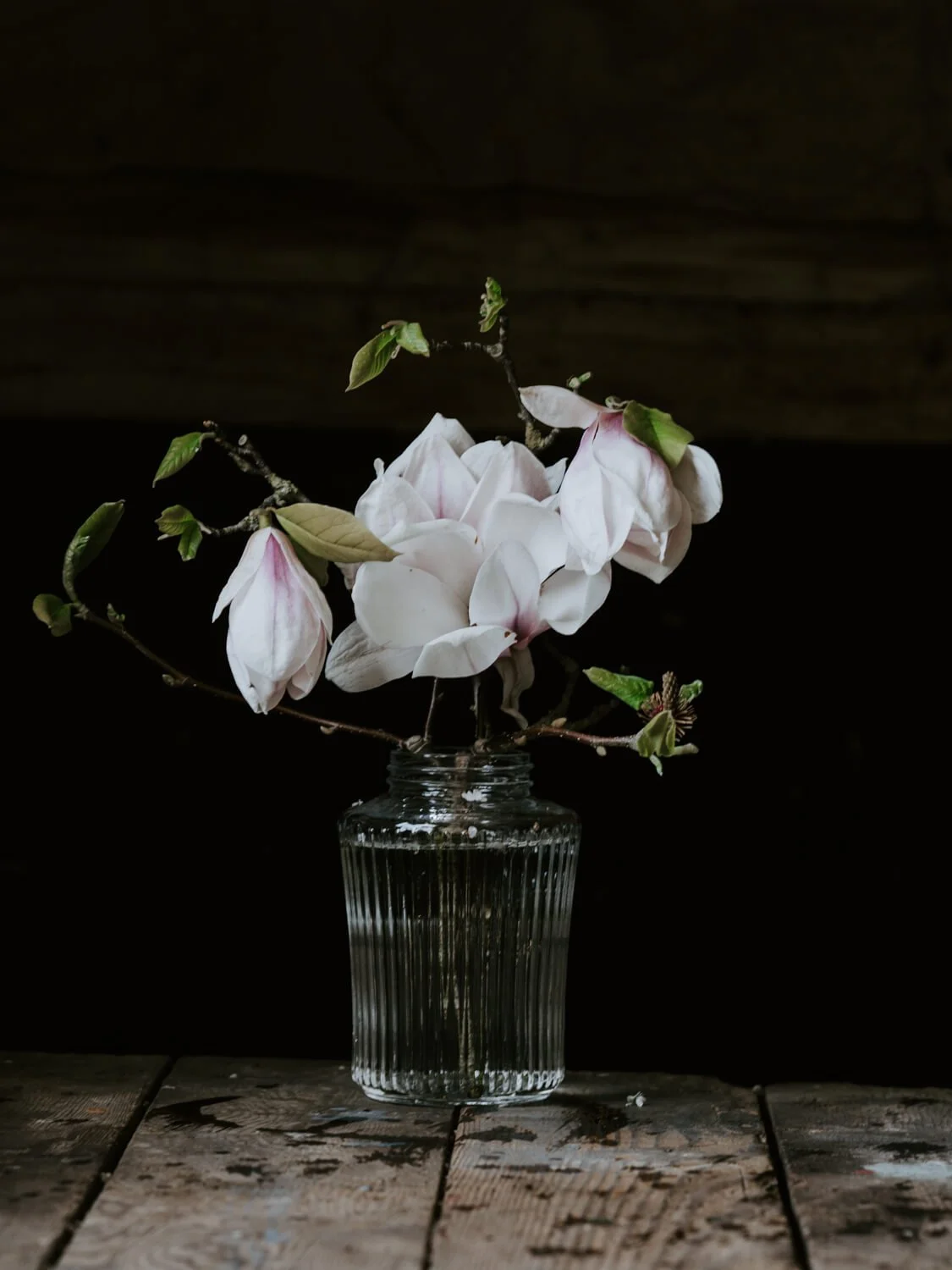
Magnolia blossom in a glass vase
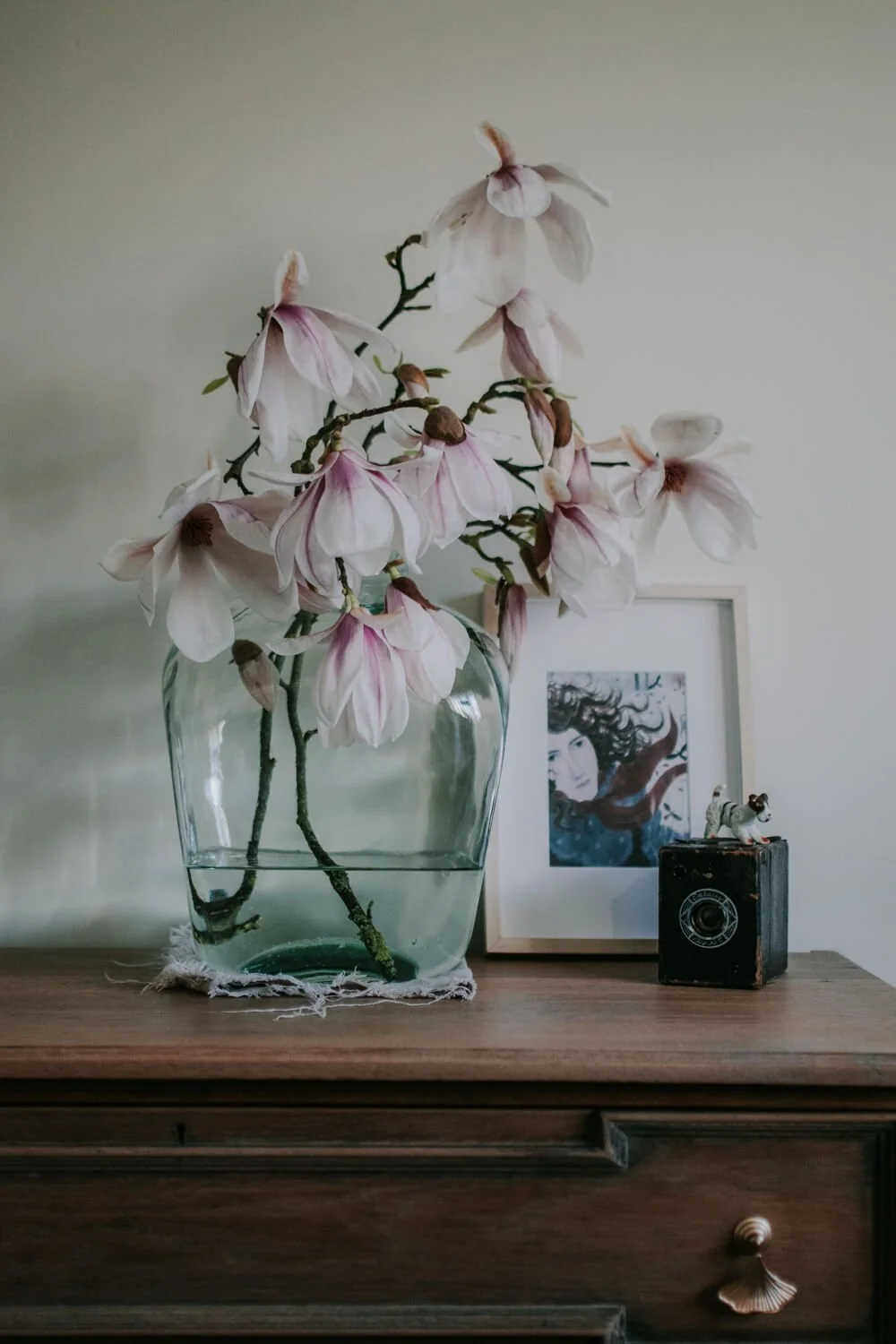
Pink and white Magnolia blossom

Gorse Blossom in March in the New Forest
April Blossom
By April a domino effect is well underway. Fruit blossom begins to appear, with plum, cherry and pear leading the way. With it being delicate and fleeting, it's worth making a note of where you spot them and returning in late summer, when those same trees should offer up fruit for foraging. I love a seasonal plumb pudding or poached pear.
Pussy willow arrives around now too, with yellow pollen and silver buds as soft as rabbits’ ears.
By the end of April the songbirds are at their loudest, and hawthorn blossom begins to burst open along hedgerows and woodland edges. Hawthorn is my favourite blossom. It appears in great abundance. A sure sign summer is to follow.

Wild plum blossom

Pussy Willow blossom

Hawthorn Blossom

Pink Hawthorn blossom
May Blossom
As pillows of white cow parsley begin to line the lanes, May brings the final and perhaps most generous wave of blossom.
Apple blossom is one of the last to arrive, large, blowsy petals in pink and white, often appearing just as everything else is beginning to fade. Make a note of where you find it. Return in September and early October to gather apples for making warming cinnamon-spiced apple pies and strudels throughout the winter months.
The horse chestnut is another May highlight. Its candles of blossom rising in exotic pinks and creams above everything else, almost tropical when you take a look up close.
Bringing up the rear of blossom season is a favourite. Elder blossom - otherwise known as Elderflower. The most generous of all, because the flowers can be gathered and turned into elderflower cordial, fritters, and countless other things besides. Head into the hedgerows from late May into June and you'll find armfuls of heavily scented elderflower heads, ready to be brought home.

Wild apple blossom

Horse Chestnut Tree Blossom

Horse Chestnut Blossom candle
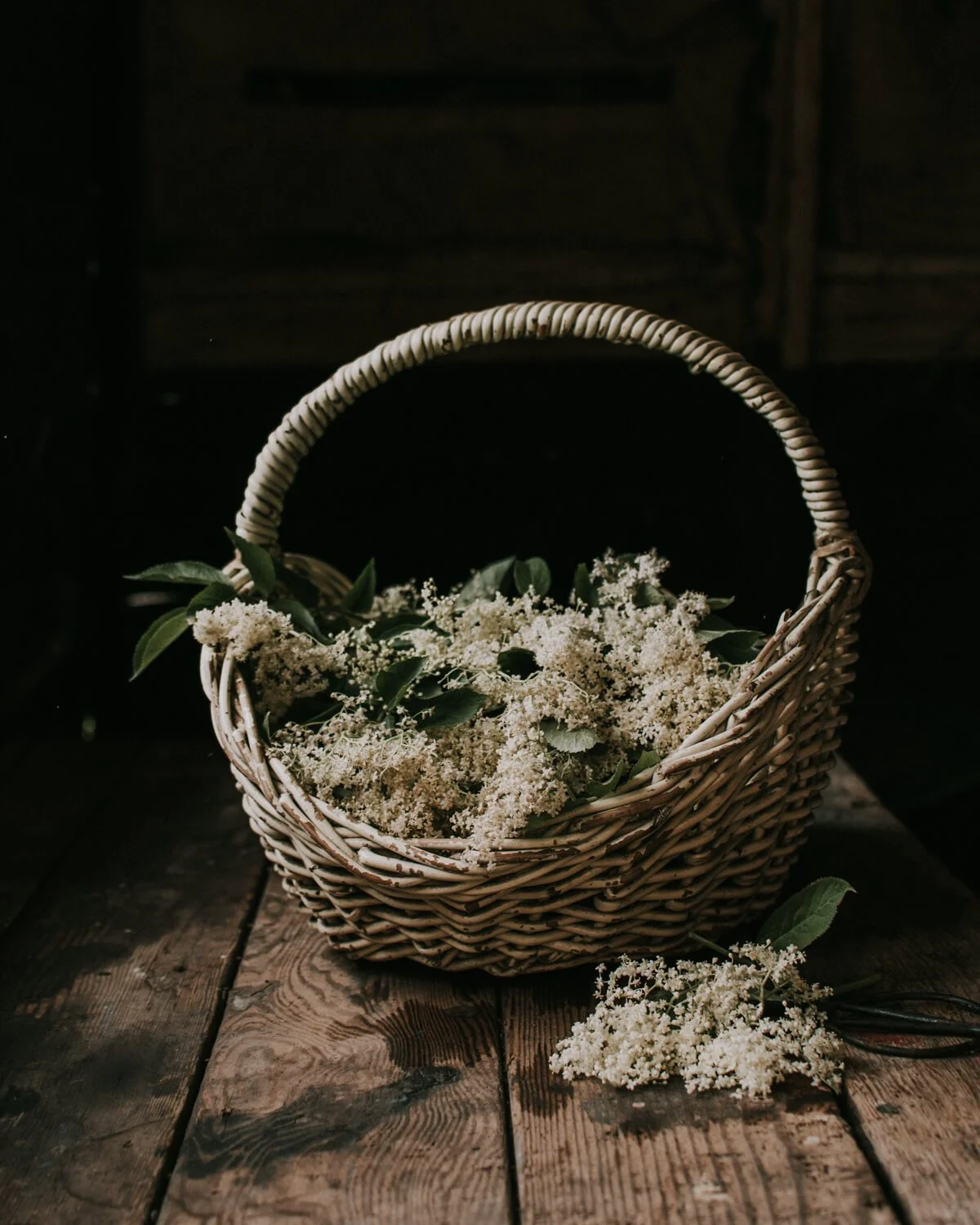
Elderflower blossom, gathered to make elderflower cordial
On noticing the seasonal shifts
There's something in noticing the sequence of what nature offers, week by week. It gives me another opportunity to be present, to look up, to wander the lanes and woodlands unhurried for a while.
And it offers its own rewards: a jug of blossom for the kitchen table, a bottle of elderflower cordial to carry that fleeting scent of elderflower blossom a little further into the year.

A jug of blossom on the kitchen table
📍 Save to Pinterest for a blossom-boost when needed.

